
tech deep dives
Agricultural Drones: A Guide to Spraying and Crop Scouting
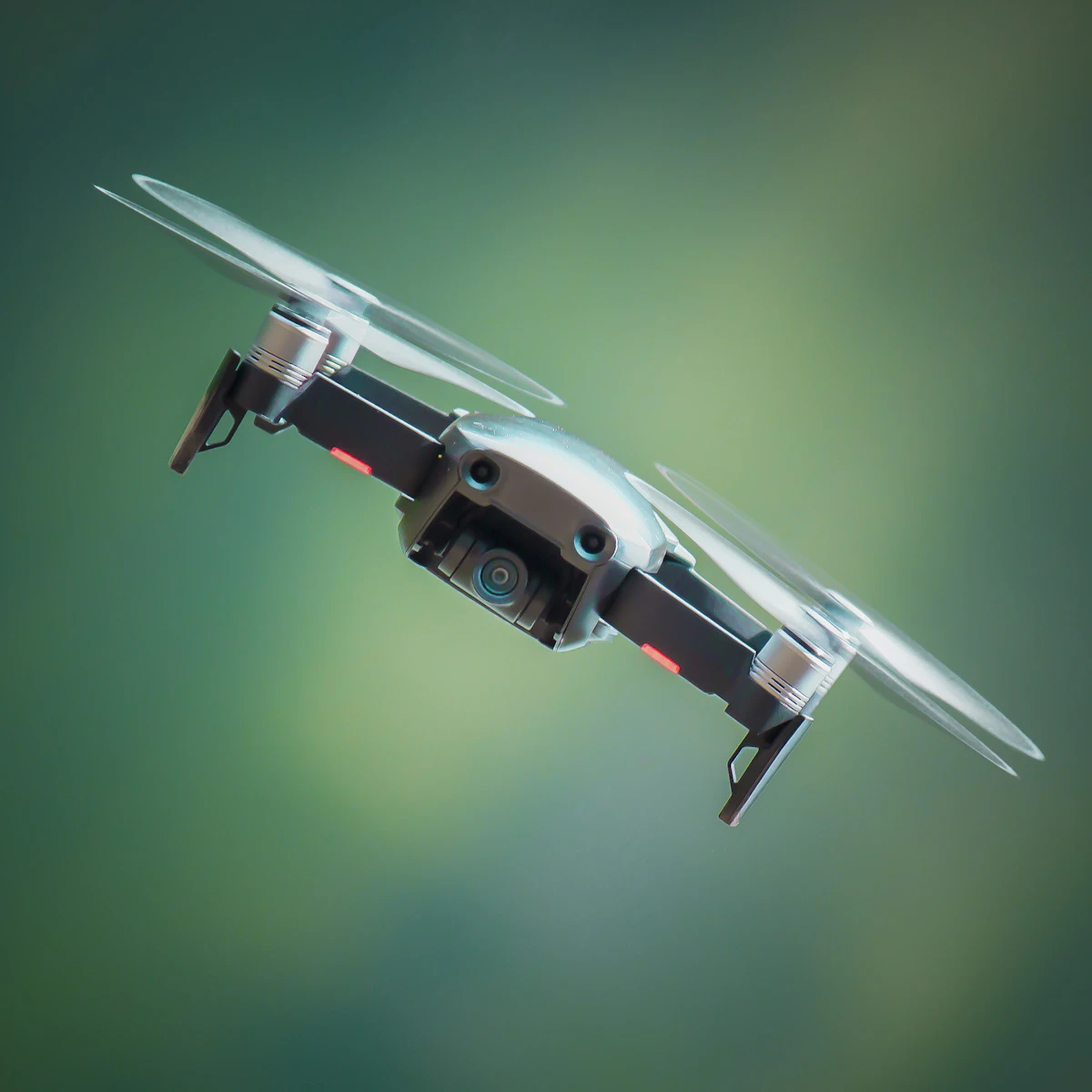
Discover how agricultural drones are transforming farming efficiency. Learn the basics of crop scouting and aerial spraying for your precision agriculture needs.
The Shift to Precision Agriculture
Agricultural drone technology has moved beyond hobbyist interest to become a cornerstone of modern farming. By utilizing multispectral sensors for scouting and heavy-lift platforms for application, producers are reducing chemical waste by up to 30% and identifying stress factors in crops days before they become visible to the naked eye. Whether you are an owner-operator looking to optimize your fields or a service provider building a business, understanding the operational hardware is the first step toward ROI.
Crop Scouting: Data-Driven Field Analysis
Effective scouting relies on multispectral imaging. Unlike standard RGB cameras, these sensors—such as the MicaSense RedEdge-P or the integrated sensors on the DJI Mavic 3 Multispectral—capture light reflectance in the Red, Green, Blue, Red Edge, and Near-Infrared (NIR) bands.
- NDVI (Normalized Difference Vegetation Index): Used to assess plant health and biomass density.
- NDRE (Normalized Difference Red Edge): More sensitive to chlorophyll content, ideal for late-season nitrogen management.
- Thermal Imaging: Crucial for identifying irrigation leaks or water-stressed patches that aren't visible with light spectrums alone.
When scouting, flight altitudes should remain between 100 and 200 feet AGL (Above Ground Level) for optimal ground sample distance (GSD). Processing this data through platforms like Pix4Dfields or Agisoft allows you to generate prescription maps that can be exported directly to tractors or sprayed by drones.
Aerial Spraying: Efficiency and Payload
Agricultural spraying drones, such as the DJI Agras T50 or XAG P100 Pro, have revolutionized the application of liquid fertilizers and pesticides. These machines utilize high-pressure nozzles or rotary atomizers to ensure consistent droplet sizing, which is critical for minimizing drift.
Key considerations for spraying operations include:
- Effective Swath Width: While manufacturers often claim wider swaths, operational testing suggests sticking to 5-7 meters for maximum coverage consistency.
- Liquid vs. Granular: Modern drones feature interchangeable tanks. If you are handling granular seeds or fertilizer, ensure your platform has a dedicated spreading system with a high-flow rate mechanism.
- Battery Cycle Management: A single T50 typically requires 2-3 battery sets per hour to maintain constant rotation, meaning you need a robust mobile power station or a dedicated generator on your trailer.
Regulations and Pilot Certification
Operating in the agricultural sector requires more than just piloting skills; it requires compliance. In the United States, most spraying operations fall under Part 137 (Certification of Agricultural Aircraft Operations) in addition to the standard Part 107. If you are just starting, consider hiring experienced contractors through the Avionic Ledger network to handle initial operations while you undergo the complex FAA exemption process. Safety protocols, including the use of visual observers and chemical handling certification, are non-negotiable for large-scale operations.
Scaling Your Drone Operations
Hardware turnover in the ag-drone sector is rapid. As models evolve, your needs may shift from a small scouting drone to a heavy-lift applicator. Avionic Ledger serves as a premium marketplace where you can trade your entry-level equipment or find certified, high-capacity platforms vetted by the community. Investing in well-maintained, pre-owned equipment with detailed flight logs is often a smarter financial strategy for those scaling up their drone spraying business.
By focusing on high-quality data collection during scouting and precise, drift-conscious application during spraying, you can turn a drone into a profit-generating asset rather than a depreciating expense.
Topics
Related on Avionic Ledger
Compare the specs
Put two drones side by side
Flight hours, battery cycles, camera and range — compare real listings instead of spec sheets.
Compare drones