
tech deep dives
Agricultural Drones: A Practical Guide to Spraying and Scouting
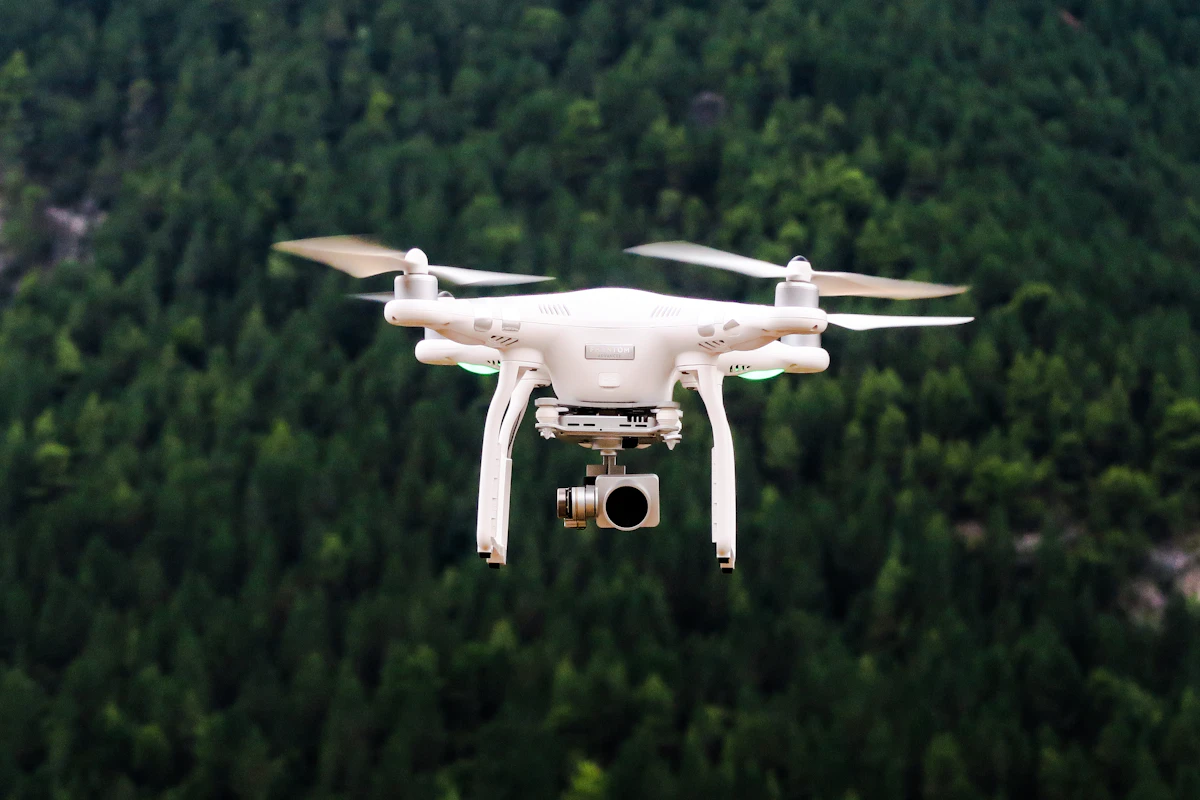
Maximize farm efficiency with precision drone technology. Learn the essentials of crop scouting and aerial spraying in this comprehensive guide.
The Precision Agriculture Revolution
Agricultural drones have transitioned from novel gadgets to essential farming implements. By integrating multispectral sensors for scouting and heavy-lift platforms for spraying, modern farmers are optimizing yields while reducing chemical overhead. Whether you are looking to acquire your first multispectral drone or outsource operations, understanding the core hardware is the first step toward successful precision agriculture.
Crop Scouting: Data-Driven Decision Making
Effective crop scouting relies on the transition from visual inspection to multispectral imaging. While standard RGB cameras can identify basic stress, multispectral sensors measure the Normalized Difference Vegetation Index (NDVI). By analyzing the red and near-infrared light reflected by plant tissues, drones can identify nutrient deficiencies or water stress days before they become visible to the human eye.
- Recommended Hardware: The DJI Mavic 3 Multispectral is the current industry gold standard for scouting due to its integrated RTK module for centimeter-level accuracy.
- Workflow: Automated flight paths are generated via flight planning software, ensuring consistent overlap for high-resolution orthomosaic mapping.
- Outcome: Farmers can transition from 'blanket' fertilizer applications to 'variable rate' applications, saving up to 20% on inputs.
Aerial Spraying: Efficiency and Safety
Drone spraying allows for targeted application in fields that are too muddy for tractors or have terrain too complex for manned aircraft. Modern spray drones like the DJI Agras T40 or XAG P100 are equipped with high-precision nozzles and centrifugal atomization systems, ensuring droplet size consistency.
- Payload Management: The T40 boasts a 40L spray tank. Efficiency depends on the flight speed and the desired liters-per-hectare rate.
- Obstacle Avoidance: Advanced radar arrays allow these drones to safely navigate around power lines and trees, which is critical when flying at low altitudes of 2-3 meters.
- Regulatory Compliance: In the United States, operating these heavy-lift machines requires a Part 107 license and often an FAA exemption for heavy-weight operations (Part 137). Always verify your local regional requirements before the first flight.
Buying vs. Outsourcing: What Makes Sense?
Determining whether to own or hire depends on the scale of your operation. For small-scale specialty crops, the initial investment—which can range from $15,000 to over $40,000 for a full spraying setup—may be prohibitive. Conversely, for large-scale operations, owning allows for immediate reaction to pest outbreaks.
If you are ready to invest in your own equipment, or perhaps you want to find a certified Part 107 pilot to handle your seasonal spraying needs, Avionic Ledger provides a verified marketplace to connect with sellers and licensed professionals who understand the nuance of agricultural flight.
Best Practices for Seasonal Operations
Success in the field requires more than just a drone; it requires a disciplined workflow.
- Calibration: Perform a ground-truth calibration for multispectral sensors at the start of every season to ensure data integrity.
- Maintenance: Spray systems require rigorous flushing after every use to prevent nozzle clogging. Use dedicated cleaning agents if applying aggressive fertilizers or pesticides.
- Data Storage: A single day of multispectral mapping can generate gigabytes of data. Invest in a reliable workstation or cloud storage solution to process your orthomosaics quickly.
By leveraging the right technology, you minimize waste and maximize productivity. Whether you are expanding your service business or bringing tech to your own fields, the ecosystem of tools on Avionic Ledger ensures you have access to the hardware and expertise necessary to stay ahead of the curve.
Topics
Related on Avionic Ledger
Compare the specs
Put two drones side by side
Flight hours, battery cycles, camera and range — compare real listings instead of spec sheets.
Compare drones