
tech deep dives
Drone Firmware Updates: Why They Matter & How to Stay Current
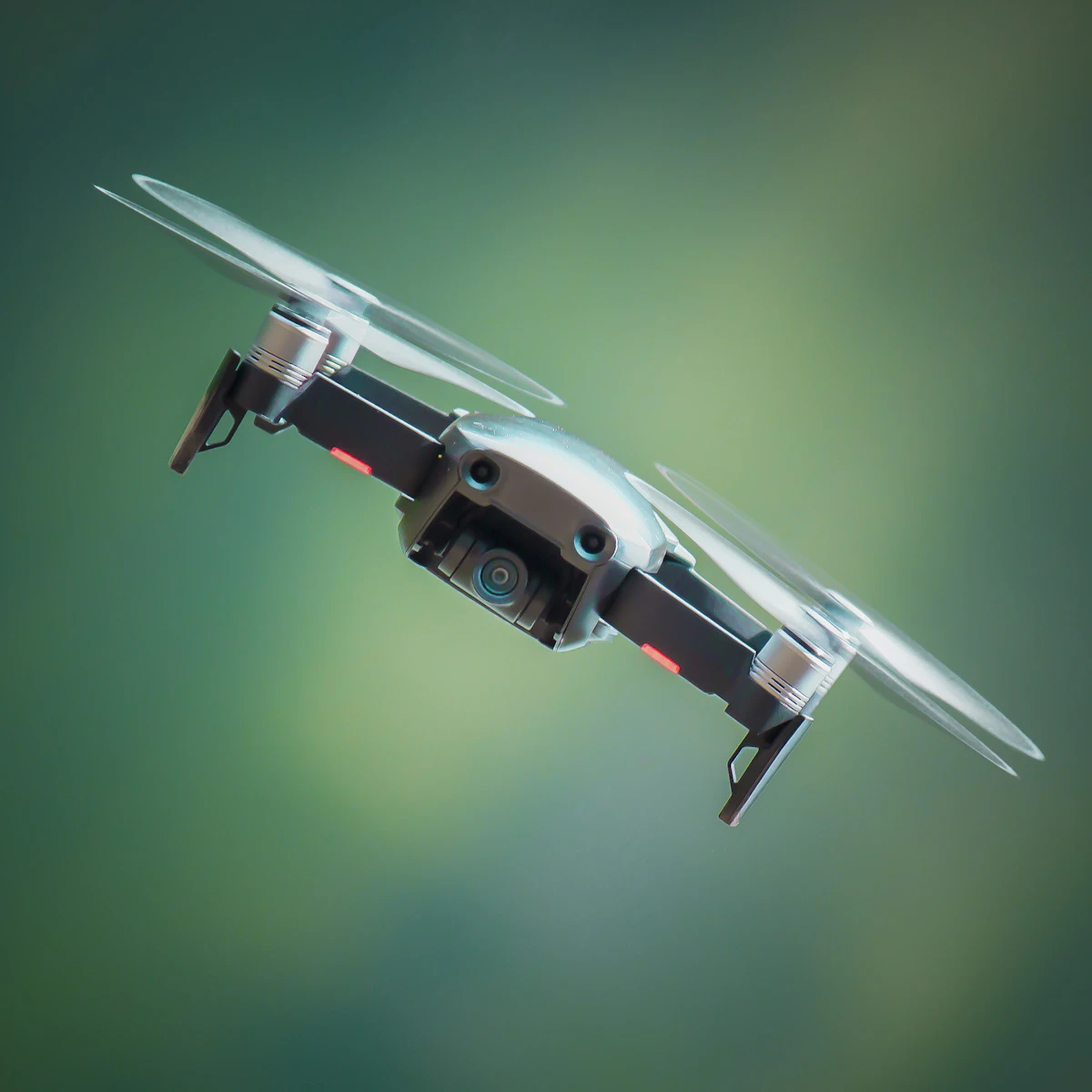
Learn why drone firmware updates are critical for flight safety, performance, and legal compliance, plus our step-by-step guide to staying current.
Why Firmware is the Brain of Your Drone
Your drone is a sophisticated computer that happens to fly. Like any high-end piece of hardware, it relies on complex firmware—the embedded software that controls everything from GPS stabilization and gimbal responsiveness to battery management and collision avoidance algorithms. Neglecting these updates is not just a minor oversight; it is a significant risk to your equipment and potentially your legal standing as a pilot.
When manufacturers like DJI, Autel, or Skydio release firmware updates, they aren't just cleaning up code. They are frequently patching critical vulnerabilities that could lead to flyaways, refining motor control algorithms to handle gusty winds better, or introducing 'Geo-Fencing' updates that ensure you stay compliant with current FAA regulations. If you are browsing the listings on Avionic Ledger to upgrade your fleet, ensure that any pre-owned unit you purchase is immediately brought up to the latest manufacturer firmware version upon receipt.
The Critical Risks of Running Outdated Software
Flying with outdated firmware is akin to running an operating system from 2012 on a modern PC. It is unstable, insecure, and incompatible with newer hardware. Here is what happens when you ignore that 'Update Available' notification:
- Reduced Flight Safety: Updates often contain 'critical fixes' that address logic errors in flight controllers. A bug that causes a motor to stutter during a hover is usually identified and fixed through a firmware push.
- Battery Management Failures: Newer firmware often improves the 'Smart Battery' communication. This ensures your drone accurately reports voltage drops, preventing unexpected power-offs during flight.
- Regulatory Compliance: Many updates are pushed specifically to comply with the Remote ID mandates. Without the latest firmware, your drone might fail to broadcast its location, making your operation illegal under current FAA Part 107 guidelines.
- App Incompatibility: Most mobile apps (like DJI Fly or Autel Sky) are designed to work in tandem with the latest hardware firmware. An app update without a corresponding firmware update often leads to signal loss or telemetry disconnects.
A Systematic Approach to Updating Your Fleet
Updating firmware requires a methodical process. A mistake here can 'brick' your drone or leave it in an unstable state. Follow this checklist every time a major version is released:
- Full Charge Everything: Never start an update with less than 50% battery on the drone and the controller. If the power dies mid-update, the firmware may become corrupted.
- Stable Connection: Perform updates using a high-speed, stable Wi-Fi network. Avoid updating while tethered to a shaky mobile hotspot.
- Remove Props: Always remove the propellers before initiating a firmware update. This is a vital safety protocol to ensure that if the motors initialize unexpectedly during the process, no damage occurs.
- Read the Changelog: Manufacturers include release notes. Check if the update specifically addresses features you use, such as waypoint navigation or specific camera profiles.
- Sync Your Logs: Before updating, sync your flight logs to the cloud. Firmware updates can occasionally wipe local cache data.
Managing Your Hardware Ecosystem
As a pilot, you are managing a complex system. If you are operating a multi-drone fleet, version parity is essential. Mixing drones on different firmware versions can lead to inconsistent flight characteristics, making it difficult to maintain precise control if you are performing manual photogrammetry or cinematography.
For those managing professional operations, keeping a firmware log for every unit is a best practice. If you find yourself needing to offload older gear to stay up to date, Avionic Ledger provides a secure platform to sell your legacy equipment to hobbyists who may not require the latest software features, allowing you to reinvest in modern, firmware-compliant hardware.
Final Thoughts
Firmware updates are the primary tool manufacturers use to extend the life of your investment. By staying current, you aren't just getting new features; you are ensuring that your drone remains a reliable, predictable, and legal tool for your projects. Make it a habit to check for updates every time you plan a professional shoot or a long-distance flight. In the fast-paced world of drone technology, staying stagnant is the fastest way to become obsolete.
Topics
Related on Avionic Ledger
Compare the specs
Put two drones side by side
Flight hours, battery cycles, camera and range — compare real listings instead of spec sheets.
Compare drones