
buying guides
FPV vs Camera Drones: Choosing Your Perfect Flying Style
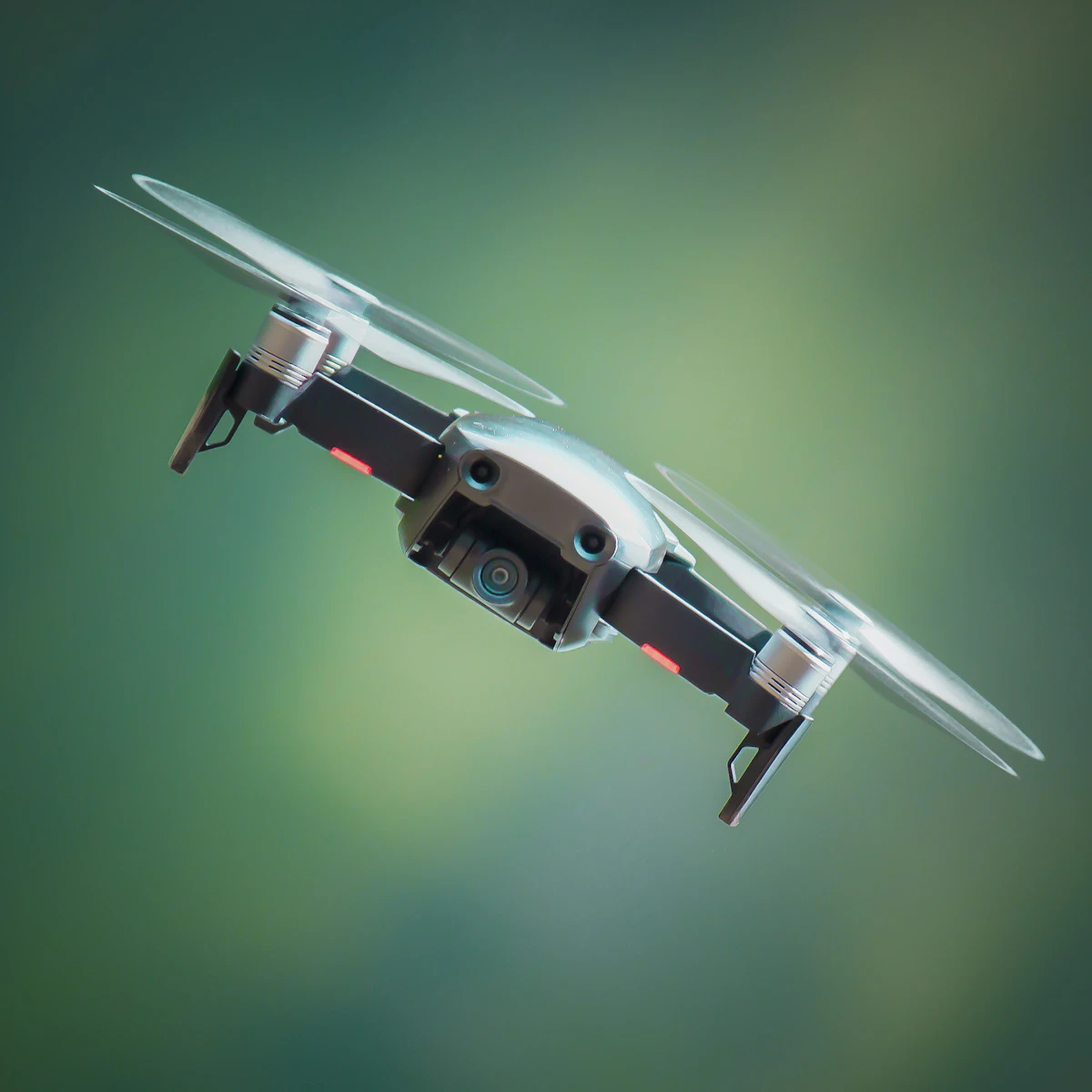
FPV or camera drone? The real differences in flight feel, footage quality and running costs, plus what to inspect before you buy either one used.
Understanding the Core Differences: Cinematic vs. Acrobatic
The drone market has split into two camps: the stability-first camera drone and the manual-control FPV rig. Camera drones, such as the DJI Mavic series, are built for aerial photography and video. They prioritise steady flight, GPS hold and high-bitrate capture. They are essentially flying tripods, letting a pilot get a usable shot with very little stick time.
FPV drones are about the flight itself. Whether you are building a Cinewhoop or flying a DJI Avata 2, FPV means manual control. You wear goggles that put you inside the cockpit and see what the camera sees in real time. The learning curve is steeper, but the manoeuvrability and speed are things a camera drone cannot match.
Why Choose a Camera Drone?
If your goal is photography, real estate work or travel video, start here. Camera drones handle the physics for you. Features like O3+ transmission, obstacle sensing and subject tracking let you think about composition instead of keeping the aircraft in the air.
Key advantages:
- Stability: gimbal-stabilised cameras hold a level frame even in gusty conditions.
- Ease of use: GPS position hold lets a beginner hover safely without constant corrections.
- Image quality: larger sensors, such as the 1-inch CMOS on the Air 3, give better dynamic range and cleaner shadows.
- Flight time: typical flights run 30 to 45 minutes per battery.
If you are buying used to get into this cheaper, the used drone checklist covers what to inspect before you pay, and the Hangar shows what is listed right now.
The Thrill of FPV: When to Go Manual
FPV is a discipline closer to a sport than to cinematography. If you want to fly through tight gaps, do a power loop, or track a mountain biker at speed, FPV is the only route. System latency is low, often under 25ms, which is what makes split-second corrections possible.
FPV drones break down by size and purpose:
- Cinewhoops: small ducted drones for flying close to people or indoors. Low risk, creative angles.
- 5-inch freestyle rigs: the standard for acrobatic flying.
- Long-range cruisers: built for endurance and mountain runs.
Learn in a simulator such as Velocidrone before flying the real thing. An hour of sim time costs nothing and saves airframes.
Which One Fits Your Work?
If you are turning this into income, match the gear to the jobs you want. Most working pilots end up with both: a stable camera drone for stills and panoramas, and an FPV rig for single-take sequences that need to move through a space.
If you would rather hire than buy, you can post the job and compare quotes from Part 107 pilots, or browse pilots by service.
Buying Either One Used
Camera drone checks:
- Battery cycle count and cell balance. Ask for a screenshot of the battery info page, not just a photo of the drone.
- Gimbal: power it on and confirm the horizon stays level through a full tilt and pan.
- Confirm the aircraft is unbound from the seller's DJI account before you pay, or you may not be able to activate it.
- Look for crash repairs: hairline cracks at the motor mounts and mismatched screw heads.
FPV checks:
- Frame cracks around the arms and camera cage. These fail in a crash and are cheap to replace, but they tell you how the drone was flown.
- Motor feel: each bell should spin freely with no grit or wobble.
- VTX and goggles compatibility. A transmitter that does not match your goggles is dead weight.
- Spare parts availability, especially for discontinued frames.
If you are selling one to fund the other, the instant valuation tool gives a price range based on the model and condition you enter.
Final Verdict: Make the Right Investment
The choice comes down to what you want to do. If you want reliable, repeatable images, a modern camera drone is the right tool. If you want the feeling of flight and shots nobody else can get, start with FPV, learn in a sim, and buy a durable frame rather than a fast one. Either way, buy the airframe that matches the work you actually have, not the highlight reel you watched.
Topics
Related on Avionic Ledger
Now go shopping
See what's listed right now
Every drone is reviewed by our team before it goes live, and your card payment is held in Protected Payments until you've flown it.
Browse drones