
buying guides
How to Choose Your First Beginner Drone in 2026
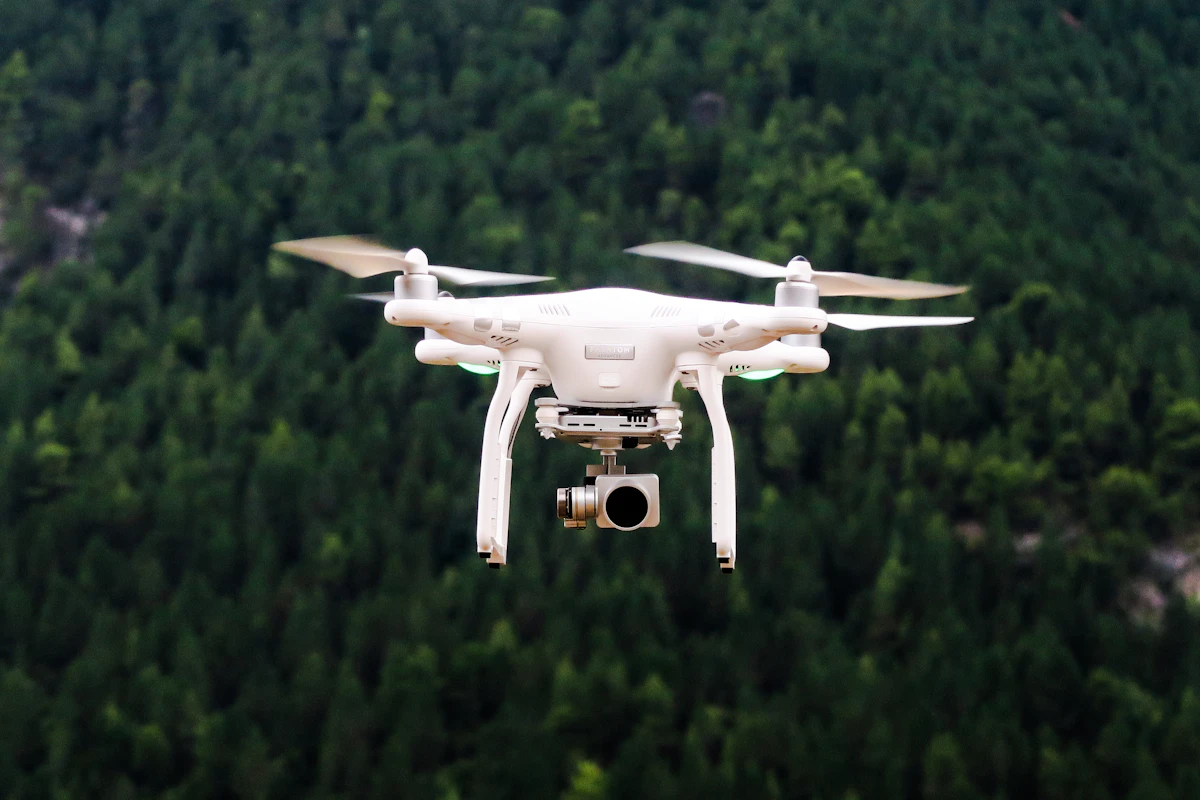
Ready to take flight? Discover the essential factors, from camera specs to safety features, for choosing your first drone in 2026.
Define Your Flight Mission Before you spend a single dollar, you must decide what you want to achieve. Are you looking to capture high-end cinematic footage, practice FPV (First Person View) racing, or simply learn how to navigate a quadcopter safely? In 2026, the drone market is segmented into three distinct categories: entry-level camera drones, mini-drones for indoor practice, and FPV cinema rigs. For a beginner, an all-in-one camera drone under 249 grams is the industry standard. These models fall under FAA Part 107 registration-free weight limits, making them the most accessible entry point for new pilots.
Key Technical Specs That Matter When comparing models, don't get distracted by marketing fluff. Focus on these three metrics: - Sensor Size: Look for at least a 1/1.3-inch sensor. Anything smaller will struggle in low-light conditions. - Transmission Range: Avoid Wi-Fi-based drones. Modern drones use proprietary protocols like O4 or digital low-latency links that offer 10km+ ranges. - Battery Life: Manufacturers often overestimate flight time. If a drone is rated for 30 minutes, expect 22–25 minutes of safe hovering time. Always budget for a 'Fly More' combo to ensure you have at least three batteries for a full afternoon of flying.
Safety Features and Automated Flight Modes Modern drones have made flying safer than ever
As a beginner, do not skip these essential technologies: - Obstacle Avoidance: Advanced drones now feature omnidirectional sensing. While beginners should never rely on these 100%, they are a lifesaver in tight environments. - Return-to-Home (RTH): This feature uses GPS to bring your drone back to the takeoff point if the connection is lost or the battery hits a critical level. - Intelligent Flight Modes: Features like 'Follow Me' or 'Waypoint' navigation allow you to practice cinematic maneuvers safely while the software manages altitude and positioning.
The Value of the Secondary Market Many new pilots make the mistake of buying the absolute newest, most expensive flagship model. However, technology in the drone space moves quickly, and buying a high-quality, pre-owned drone from a reputable source is often the smartest financial move for a beginner. Platforms like Avionic Ledger provide a secure environment where you can find inspected used drones and verified, lightly used gear, allowing you to invest your remaining budget into extra batteries, ND filters, or insurance.
Pilot Certification and Legal Readiness Even if you are flying as a hobbyist, understanding the law is part of being a drone pilot. In 2026, basic safety guidelines remain non-negotiable. Always maintain line-of-sight, avoid restricted airspace, and check local apps for TFRs (Temporary Flight Restrictions). If you plan to turn your hobby into a side hustle, your first step should be studying for your FAA Part 107 remote pilot certificate. As your skills grow, you might eventually use Avionic Ledger to find professional projects or hire experienced mentors to help you transition from a casual flyer to a commercial pilot. Choosing your first drone is the first step in a lifelong journey into the skies. Prioritize safety, master your flight controls in an open field, and remember that the best drone is the one you aren't afraid to fly.
Topics
Now go shopping
See what's listed right now
Every drone is reviewed by our team before it goes live, and your card payment is held in Protected Payments until you've flown it.
Browse drones