
buying guides
How to Read a Drone Spec Sheet Like a Pro
Avionic Ledger Editorial·October 7, 2026
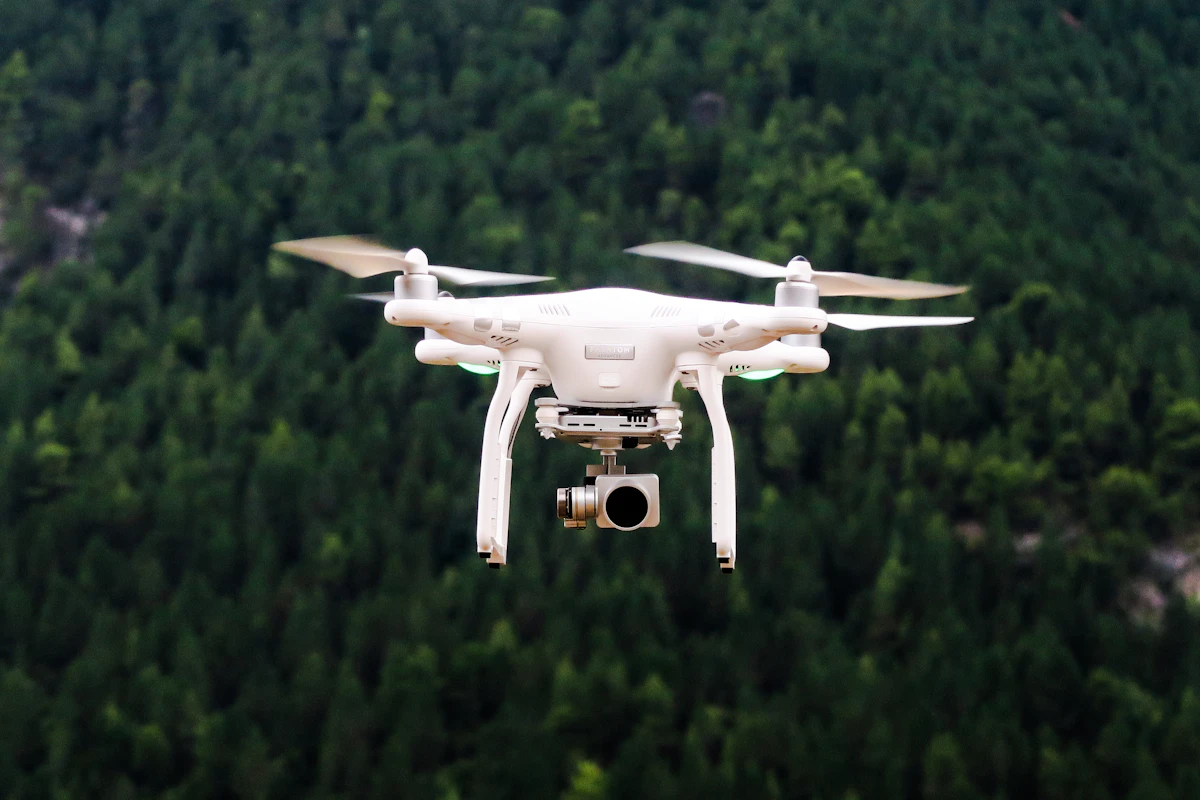
Master the art of reading drone specifications to ensure you choose the right aircraft for your mission requirements every single time.
Deciphering Flight Performance and Battery Life. When you first look at a drone spec sheet, your eyes likely dart straight to 'Flight Time.' Manufacturers often list an 'up to' figure, such as 46 minutes for the DJI Mavic 3 Pro. However, this is a lab-tested number under ideal, windless conditions. In the real world, you should subtract 10-15% of that time as a safety buffer for landing and unexpected wind resistance. Look for 'Max Wind Speed Resistance'—a metric often overlooked. If you are operating in coastal areas or mountainous terrain, ensure your craft is rated for at least 10.5-12 m/s (approx. 24 mph) to maintain stability. Always cross-check these figures on the Avionic Ledger marketplace to see how real-world users rate these crafts in challenging environments. ## Understanding Camera Sensor Sizes and Aperture. The sensor size is the most critical factor for image quality, especially in low light. You will see specifications like '1-inch CMOS' or '4/3 CMOS.' Generally, the larger the sensor, the better the dynamic range and noise performance. A 1-inch sensor is the industry standard for prosumer work, while a Micro Four Thirds sensor provides the depth of field necessary for high-end cinematography. Check the 'Aperture' (f-stop) as well. An adjustable aperture, such as f/2.8 to f/11, is essential for professional videography, allowing you to maintain a consistent shutter speed without using bulky ND filters in changing lighting conditions. ## Transmission Protocols and Connectivity. The 'Max Transmission Distance' is often marketed in terms of FCC or CE compliance (e.g., 15km). While you should always fly within visual line of sight (VLOS), high-range transmission metrics are actually a proxy for signal reliability at shorter distances. Look for the transmission technology—such as OcuSync 4.0. These systems use frequency hopping to avoid interference in crowded urban environments. If you are browsing equipment on Avionic Ledger to start a business, verify that the controller supports the specific transmission protocol required for your chosen drone, as legacy controllers rarely support the newest software upgrades. ## Payload Capacity and Expansion Ports. If you are buying a drone for industrial inspection or agriculture, flight time is secondary to payload capacity. Pay close attention to 'Maximum Takeoff Weight' (MTOW). You need to calculate the weight of the drone, the battery, and your specific payload (sensors, thermal cameras, or mapping gear) to ensure you remain within the manufacturer's safe operation limits. Furthermore, check for 'SDK' or 'API' availability. If the drone is intended for autonomous mapping or data gathering, verify that the manufacturer offers an open development environment, otherwise, you may find yourself locked into a proprietary ecosystem that cannot integrate with your post-processing software.
Topics
drone specificationshow to choose a dronedrone flight timedrone camera sensordrone payload capacitydrone buying guideAvionic Ledger
Now go shopping
See what's listed right now
Every drone is reviewed by our team before it goes live, and your card payment is held in Protected Payments until you've flown it.
Browse drones