
tech deep dives
Mastering Drone Battery Longevity: A Guide to Cycle Management
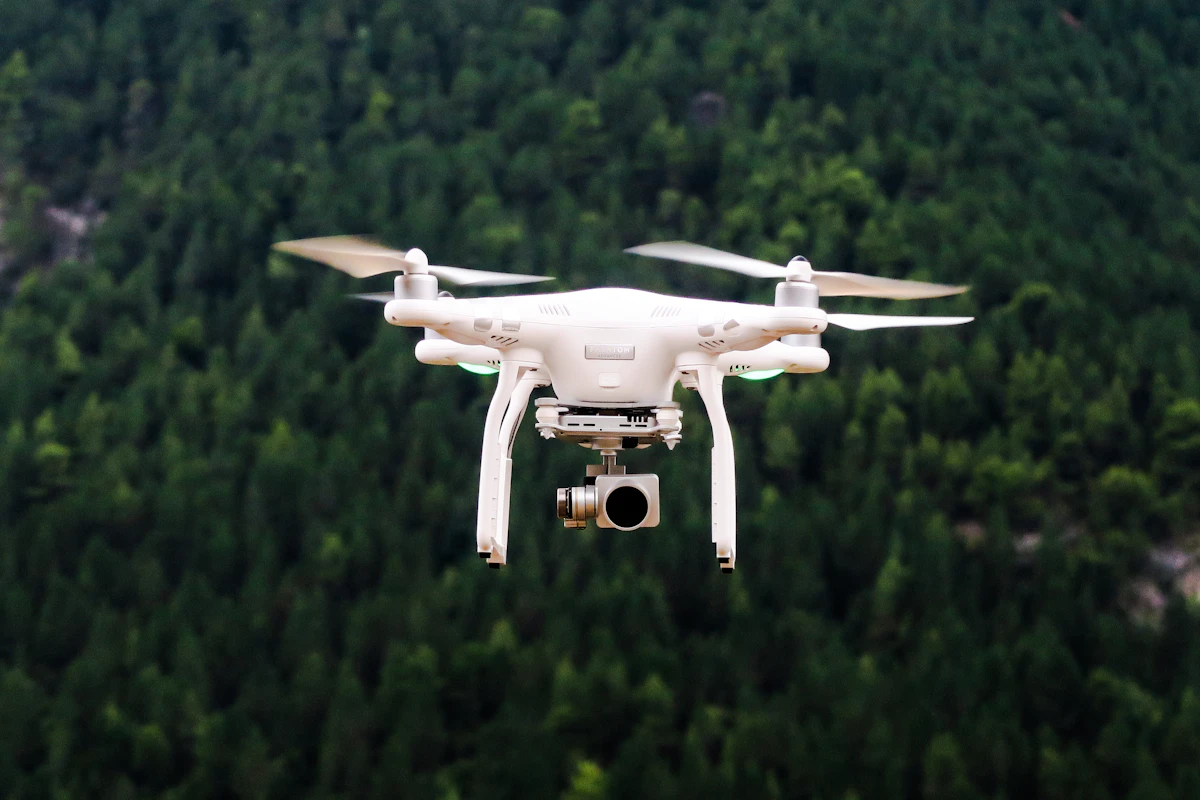
Learn how drone battery cycles impact performance and discover actionable tips to extend the life of your LiPo batteries for more flight time.
Understanding the Drone Battery Cycle
A battery cycle is defined as the usage of 100% of the battery's capacity, though this does not necessarily mean draining it in a single flight. If you use 50% of your charge on Tuesday and another 50% on Wednesday, that counts as one complete cycle. Most modern high-capacity LiPo (Lithium Polymer) and LiHV (High Voltage) batteries, such as those found in the DJI Mavic 3 or Autel EVO II series, are rated for approximately 200 to 400 charge cycles before the internal resistance rises significantly, leading to voltage sag and reduced flight times.
At Avionic Ledger, we often see used drones listed with battery reports indicating high cycle counts. Understanding these numbers is critical for buyers to determine whether a replacement battery investment is necessary immediately after purchase.
The Dangers of Extreme Temperatures
Temperature is the primary enemy of lithium chemistry. Exposing your drone batteries to extreme heat—such as leaving them in a car during summer—will permanently degrade the chemical structure, leading to 'puffing' or capacity loss. Conversely, flying in freezing temperatures significantly increases internal resistance.
- Pre-heat your batteries: If flying in cold weather, keep batteries in an insulated bag or a warm pocket until right before takeoff.
- Avoid the red zone: Never charge a battery immediately after a flight when it is still hot. Let it return to ambient temperature first.
- Storage climate: Store your batteries in a cool, dry place, ideally between 50°F and 70°F (10°C - 21°C).
Proper Storage and Voltage Maintenance
One of the most common mistakes drone pilots make is storing their batteries fully charged for long periods. Lithium batteries are chemically unstable at 100% state-of-charge. If you are not planning to fly for more than 48 hours, you must bring the voltage down to 'storage level,' which is typically around 3.80V to 3.85V per cell.
Modern 'Smart' batteries, like those in the DJI Enterprise line, have an auto-discharge feature. If left unused, the battery will eventually drain itself to a storage level to protect the cells. However, relying on this is not a substitute for proper battery health habits. Always check your battery management system (BMS) through your flight app to monitor individual cell voltage. If you notice a disparity of more than 0.1V between cells, it may be time to retire that battery or seek professional diagnostics.
Depth of Discharge and Operational Habits
How you fly affects how long your battery lasts. Consistently draining your battery to 0% or 'critical' voltage levels is the fastest way to kill a LiPo. Each deep discharge puts immense stress on the chemistry, accelerating the degradation of capacity.
- Aim for 20%: Try to land your aircraft when the battery reaches 20-25%. This buffer prevents the voltage from dropping to levels that trigger chemical instability.
- Avoid peak-current abuse: High-speed maneuvers, rapid climbs, and flying in heavy winds pull maximum amperage from the cells. Consistently flying aggressively causes heat buildup, which correlates directly with shorter cycle lifespans.
If you are looking to upgrade your gear or sell your current fleet, Avionic Ledger provides a secure environment to list your drones and batteries, ensuring transparency in cycle health for all participants in the marketplace.
When to Retire Your Battery
Even with meticulous care, batteries are consumables. A battery should be retired if you notice:
- Visible swelling (Puffing): The plastic casing appears rounded or firm to the touch.
- Voltage imbalance: The charger consistently fails to balance the cells.
- Rapid voltage drop: The drone shows a full charge, but the percentage plummets shortly after takeoff.
By monitoring your cycle counts and maintaining proper storage voltages, you can squeeze dozens of extra flights out of every battery pack, saving money and improving your reliability in the field.
Topics
Compare the specs
Put two drones side by side
Flight hours, battery cycles, camera and range — compare real listings instead of spec sheets.
Compare drones