
tech deep dives
Mastering Drone Battery Longevity: A Guide to Cycle Management
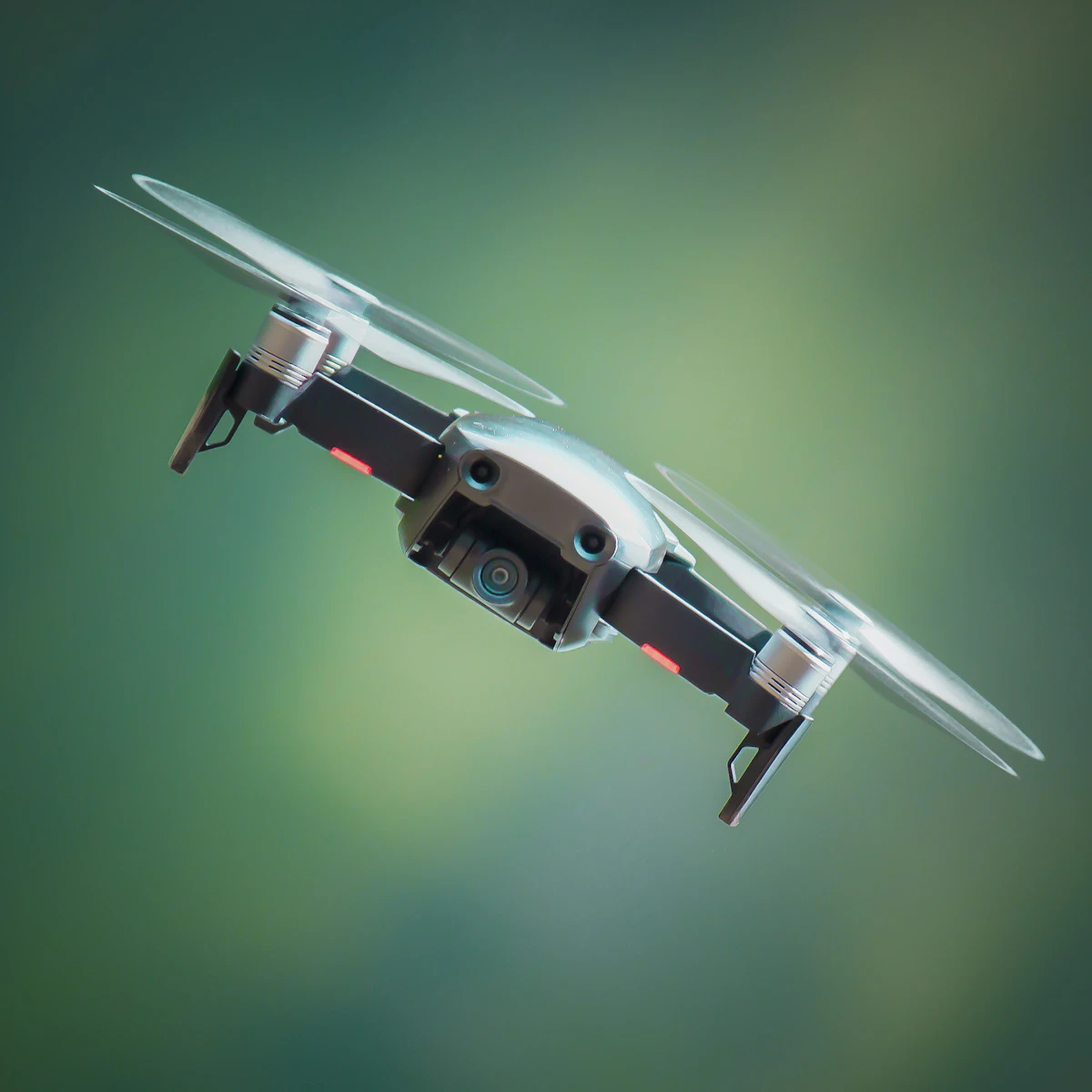
Learn how to monitor your drone battery cycles and implement expert storage techniques to double your flight time and protect your investment.
Understanding the Drone Battery Cycle
Modern drones, such as those in the DJI Mavic or Enterprise series, utilize lithium-polymer (LiPo) or high-voltage lithium-ion (LiHV) chemistries. These batteries are complex power systems that rely on smart management circuits. A battery cycle is defined as the total usage of 100% of the battery's capacity, even if it happens across multiple flights. If you fly your drone until it reaches 50% and recharge it fully, then fly it again to 50% the next day, that counts as exactly one cycle.
Most high-end drone batteries are rated for between 200 and 300 cycles before the internal resistance begins to degrade performance significantly. Recognizing how close you are to this limit is vital for safety, as high-cycle batteries often suffer from voltage sag, which can lead to unexpected power loss during critical flight maneuvers.
The Dangers of Improper Storage
Storage is the primary killer of drone batteries. Many pilots make the mistake of storing batteries fully charged or completely depleted. Storing a battery at 100% causes excessive stress on the internal cells, leading to chemical swelling and a permanent loss of capacity. Conversely, storing a battery below 20% can cause the voltage to drop into a 'deep discharge' state, which the smart circuit may interpret as a terminal failure, effectively bricking the battery.
To ensure maximum lifespan, store your batteries at a 'storage voltage'—typically between 40% and 60% of total capacity. If you know you will not be flying for more than three days, use the automatic discharge feature found in your drone’s companion app to set the smart battery to self-drain to a safe level.
Best Practices for Charging and Usage
How you charge your batteries is just as important as how you store them. Avoid charging batteries immediately after a flight when they are still hot to the touch. The chemical reactions inside a LiPo battery are heat-sensitive; charging a hot battery accelerates degradation and increases the risk of cell puffing.
- Allow batteries to cool for at least 20–30 minutes after flight before plugging them into a charger.
- Use genuine manufacturer chargers or high-quality third-party stations to ensure consistent current flow.
- Avoid frequent 'topping off.' Deep discharges followed by full charges are better for battery health than constant micro-charging.
- Keep firmware updated. Manufacturers often release updates that improve cell balancing algorithms.
When to Retire a Battery
Even with perfect care, a battery will eventually reach the end of its life. You should retire a battery if you notice it 'puffing'—where the outer casing feels soft or looks visibly bloated. Additionally, monitor the 'Voltage Difference' between cells in your flight app. If one cell shows a consistent discrepancy of more than 0.1V compared to the others, the battery is no longer safe for commercial operation.
If you find yourself needing to upgrade your fleet or clear out old equipment, Avionic Ledger is the industry’s trusted marketplace for buying and selling verified drone hardware and batteries. By maintaining your fleet properly, you maximize the resale value of your equipment on our platform.
Conclusion
Managing your drone batteries is a discipline that rewards you with better flight reliability and long-term savings. By monitoring your cycles, respecting storage voltage, and allowing your gear to cool down between sessions, you can easily exceed the manufacturer's expected lifespan for your power units. Whether you are a professional pilot looking for equipment or a hobbyist managing a single craft, following these technical standards ensures you are always ready for your next project, which you can easily post or find on Avionic Ledger to maximize your operational efficiency.
Topics
Related on Avionic Ledger
Compare the specs
Put two drones side by side
Flight hours, battery cycles, camera and range — compare real listings instead of spec sheets.
Compare drones