
buying guides
Thermal Drones for Inspection: The Ultimate Buyer's Guide
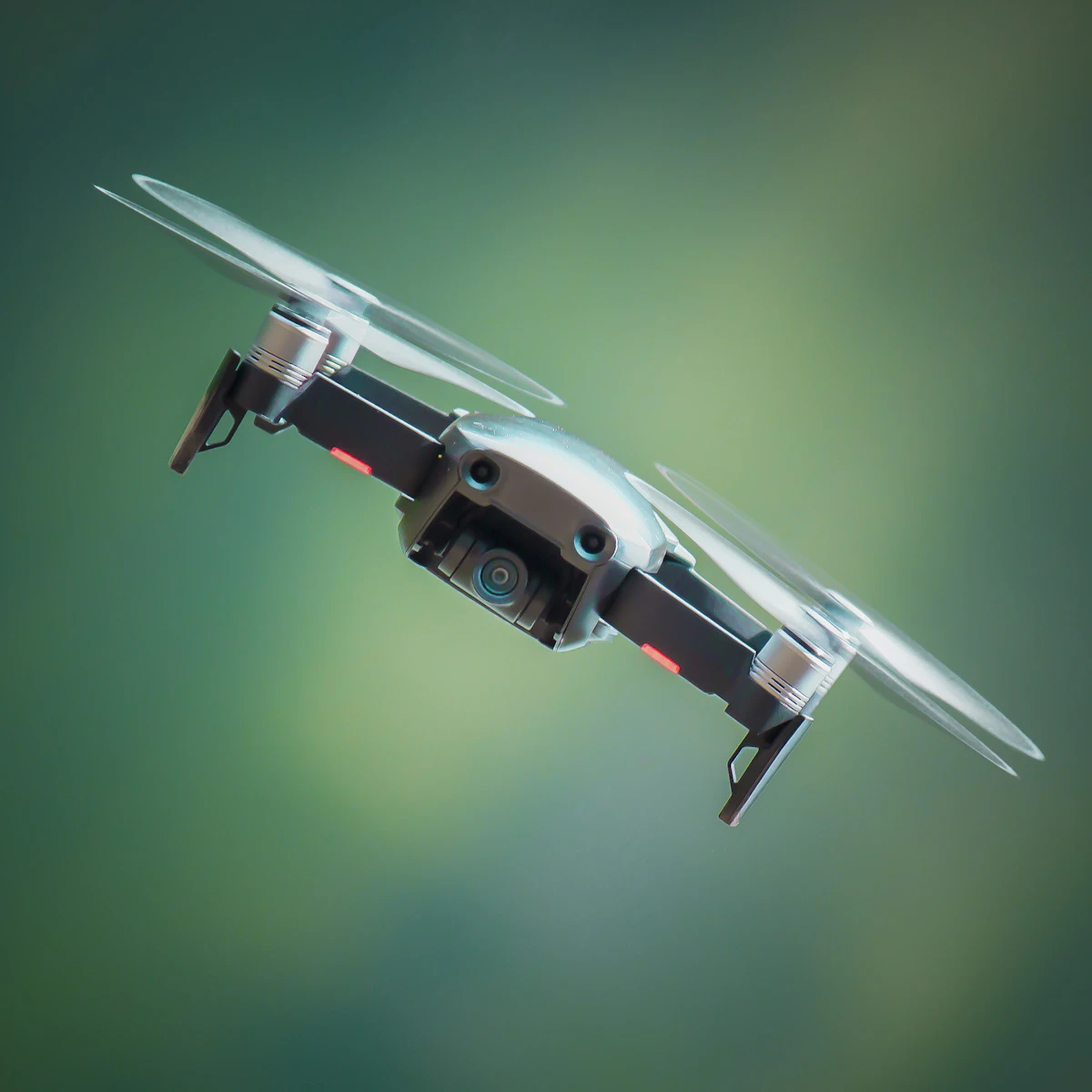
Discover how to choose the right thermal drone for inspections. Expert advice on sensor resolution, radiometric accuracy, and budget-friendly hardware.
Understanding Thermal Imaging in Drone Inspections
Thermal drones have revolutionized how we approach industrial inspections. By detecting infrared radiation instead of visible light, these drones identify heat anomalies invisible to the human eye. Whether you are inspecting solar panels for hot spots, surveying building envelopes for energy leaks, or troubleshooting electrical substations, thermal technology is now an industry standard. When browsing for your next piece of equipment on Avionic Ledger, understanding the technical specifications is the first step toward a successful investment.
Critical Specifications to Evaluate
Not all thermal sensors are created equal. Before committing to a purchase, you must scrutinize three primary metrics:
- Radiometric Accuracy: This determines if the sensor can assign a temperature value to every pixel. For precise reporting, you need radiometric data, not just a visual thermal map.
- Thermal Resolution: Think of this as the 'megapixels' of thermal imaging. A 640x512 resolution is the gold standard for high-end inspections, offering the detail necessary to distinguish between a loose connection and a faulty component. Lower resolutions (e.g., 160x120) may suffice for basic situational awareness but often fail for technical analysis.
- Sensitivity (NETD): This measures the ability of the sensor to distinguish between very small differences in temperature. An NETD of ≤50mK is standard; for professional-grade diagnostics, look for ≤30mK.
Choosing the Right Hardware for Your Workflow
Your specific industry determines the form factor you should pursue. For many, the choice comes down to portability versus payload flexibility.
- Integrated Systems (e.g., DJI Mavic 3 Thermal): These are ideal for solo operators and inspectors on the move. They offer a 'ready-to-fly' experience with a fixed thermal/zoom payload. They are perfect for search and rescue, roof inspections, and quick solar site checks.
- Modular Systems (e.g., DJI Matrice 350 RTK with Zenmuse H20T): These are the workhorses of the industry. They allow for swapping sensors, long-range zoom cameras, and even LiDAR modules. If you are conducting large-scale power line inspections or high-altitude mapping, modular systems provide the necessary endurance and signal reliability.
Practical Tips for Thermal Inspection Success
Having the right drone is only half the battle. Thermal inspections are highly sensitive to environmental variables. To ensure your data is actionable, follow these best practices:
- Manage Solar Loading: Never conduct a solar panel inspection in the early morning if you need to detect micro-cracks. The panels need to be under significant irradiance to highlight heat signatures properly.
- Adjust Emissivity: Different surfaces radiate heat differently. Ensure your software or drone interface allows you to adjust emissivity settings based on the material you are inspecting (e.g., glass, brick, metal) to avoid false temperature readings.
- Use Thermal Tuning: Always take advantage of color palettes. 'Ironbow' is excellent for finding thermal anomalies, while 'White Hot' is generally best for high-contrast detail work.
Leveraging the Market
Finding the right thermal platform can be a daunting task. Whether you are looking for brand-new industry equipment or reliable pre-owned units, Avionic Ledger acts as a central hub where professionals connect to trade high-end hardware. If you find that the learning curve of thermal data analysis is too steep for your current team, you can also use our platform to hire verified Part 107 pilots who specialize in thermal thermography. Investing in professional hardware is significant, so ensure you are buying from a marketplace that prioritizes trust and verified listings.
Topics
Now go shopping
See what's listed right now
Every drone is reviewed by our team before it goes live, and your card payment is held in Protected Payments until you've flown it.
Browse drones