
buying guides
Thermal Drones for Inspection: The Ultimate Buyer's Guide
Avionic Ledger Editorial·November 8, 2026
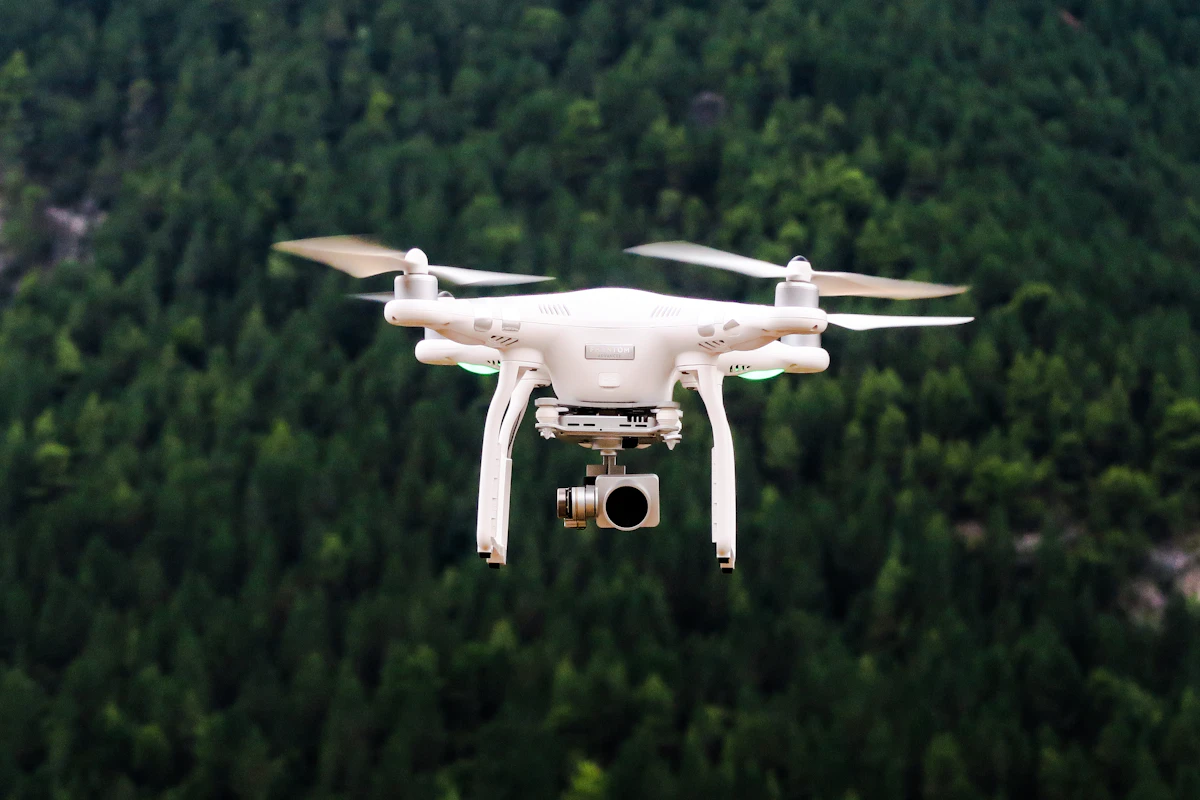
Discover how to choose the right thermal drone for inspections. We cover sensor resolution, radiometric accuracy, and top industry models.
Understanding Thermal Imaging in UAVs Thermal imaging technology has transformed the inspection industry, allowing operators to detect heat signatures invisible to the naked eye. Whether you are performing roof moisture analysis, solar panel array checks, or electrical substation monitoring, a high-quality thermal sensor is your most valuable asset. When selecting a drone, the sensor is the primary investment. Unlike RGB cameras, thermal sensors measure infrared radiation to create a temperature map. Key metrics to monitor include thermal resolution (e.g., 640x512 pixels), sensitivity (measured in milliKelvin or mK), and radiometric capability, which allows you to extract precise temperature data from every pixel. ## Key Technical Specifications to Compare Before making a purchase, you must evaluate the specific needs of your inspection workflow. A higher resolution sensor, such as those found on the DJI Mavic 3 Thermal or the Autel EVO II Dual, allows for more accurate temperature readings at greater distances. Look for a sensitivity rating of 50mK or better; a lower number indicates a more sensitive sensor capable of detecting smaller temperature differences. Consider these factors: * Radiometric Support: Does the drone record the temperature data for every pixel? This is essential for professional reporting. * Zoom Capabilities: Many thermal drones now offer hybrid zoom, allowing you to bridge the gap between visual and thermal views. * Flight Time: Inspection work is battery-intensive. Ensure the drone offers at least 35-40 minutes of flight time to reduce downtime. * Weather Resilience: An IP-rated drone is crucial if you are working in harsh environments, such as offshore platforms or remote utility sites. ## Choosing the Right Model for Your Needs The market is segmented into entry-level, prosumer, and enterprise tiers. Entry-level thermal drones are suitable for basic diagnostics, while enterprise platforms offer robust data integration and encrypted storage. If you are looking to acquire equipment or verify the condition of pre-owned hardware, Avionic Ledger provides a secure environment to evaluate listings with transparency. For those who need to scale their operations, it is often more cost-effective to explore certified pre-owned enterprise drones rather than investing in brand-new, depreciating assets. When comparing models, always prioritize the integration of software. Your drone is only as good as the software you use to analyze the heat maps. Tools like FLIR Tools or DJI Terra allow for the generation of professional-grade reports that clients expect in modern industry workflows. ## Workflow Best Practices for Thermal Inspections Successful thermal inspections rely on more than just the hardware. Environmental conditions play a critical role in data accuracy. Always conduct inspections during optimal times—early morning or late evening often provide the best thermal contrast for buildings and solar panels. Avoid performing high-precision thermal inspections during heavy rain or high winds, as the cooling effect can mask the very anomalies you are trying to find. Once you have acquired your hardware, remember that maintenance is non-negotiable. Regularly calibrate your sensors if the manufacturer requires it and keep your gimbal clean. If you are a pilot looking to join a project or a company needing to hire a specialist, visit Avionic Ledger to connect with a community of verified Part 107 drone operators. Investing in the right thermal drone is a significant step toward efficiency and safety in your inspection business. Focus on hardware that meets the resolution requirements of your specific niche, ensure your data processing pipeline is ready, and always prioritize safe flight operations.
Topics
thermal dronesdrone inspectionFLIR droneradiometric thermal cameraDJI Mavic 3 Thermaldrone industrydrone hardwarethermal imaging inspection
Related on Avionic Ledger
Now go shopping
See what's listed right now
Every drone is reviewed by our team before it goes live, and your card payment is held in Protected Payments until you've flown it.
Browse drones