
pilot skills
Winter Drone Flying: Essential Cold-Weather Tips for Pilots
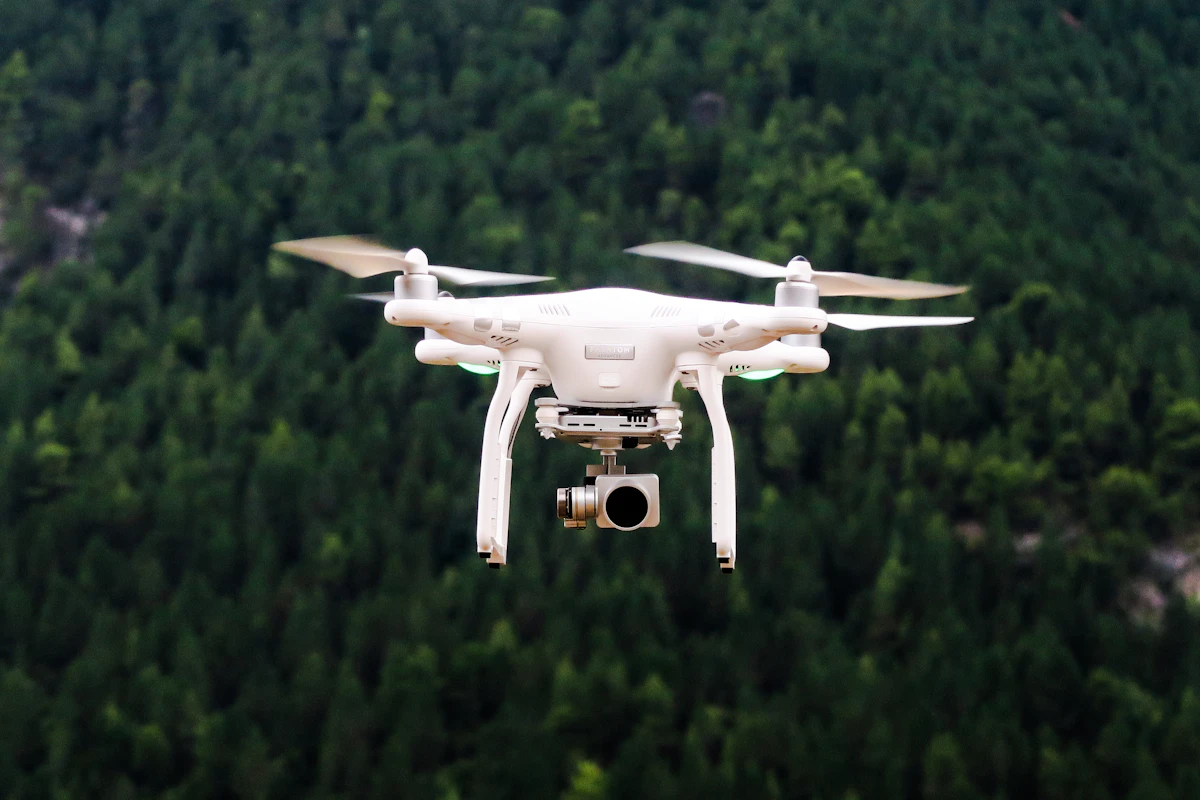
Master winter drone operations with these expert tips on battery management, flight safety, and equipment care to ensure your aircraft survives the cold.
Understanding Battery Chemistry in Freezing Temps
Lithium-polymer (LiPo) batteries are the lifeblood of your drone, but they suffer significantly in low temperatures. As the mercury drops below 40°F (4°C), the internal resistance of your battery increases, which leads to a dramatic drop in voltage. If you attempt to take off with a cold battery, you risk a sudden voltage sag, which can cause your drone to lose power mid-flight or trigger an emergency landing.
To mitigate this, always warm your batteries before flight. Keep them in a temperature-controlled environment, such as a heated car or a specialized battery case, until the moment you are ready to fly. Many professional pilots aim to keep their batteries at a core temperature of 60°F to 80°F before inserting them into the aircraft. If you find your equipment is aging or you need reliable gear that can handle specific climate conditions, Avionic Ledger provides a marketplace where you can find inspected, professional-grade equipment suited for your environmental needs.
Flight Planning and Pre-Flight Inspections
Winter conditions change how a drone handles in the air. Cold, dense air provides more lift, which is great for efficiency, but it also places more stress on the motors. Furthermore, your flight time will likely decrease by 20% to 30% compared to summer operations. Always plan for shorter flight times and establish a higher 'low battery' warning threshold.
Before taking off, perform a thorough pre-flight check:
- Check for condensation: Moving from a cold environment to a warm one can cause moisture to build up inside the frame.
- Calibrate your IMU: Changes in ambient temperature can affect sensors; calibrate on-site if possible.
- Check propellers: Cold plastic becomes brittle. Inspect props for micro-cracks before every flight.
- Clear your landing zone: Snow and ice can melt onto the craft during landing, potentially damaging sensitive electronics.
Managing Condensation and Moisture
Moisture is the silent killer of drones in winter. Even if it is not actively snowing, fog and high humidity can infiltrate your drone's chassis. When you land your aircraft and bring it back into a warm vehicle or building, the temperature difference will create internal condensation. This moisture can lead to corrosion on the flight controller, gimbal motors, and camera sensors.
To prevent this, place your drone in a sealed plastic bag before bringing it into a warm environment. Allow the drone to reach room temperature slowly within the bag; this traps the moisture outside the aircraft. If you are frequently flying in harsh, wet, or freezing conditions, consider upgrading your setup. Whether you are looking to sell older, weather-worn gear or invest in a newer, more robust model, Avionic Ledger is the industry-standard marketplace to facilitate these transitions.
Pilot Safety and Operational Limitations
Your drone is not the only thing that struggles in the cold—your hands do too. Operating remote controllers with numb fingers leads to jerky, imprecise inputs, which increases the risk of a crash. Invest in a pair of touch-screen compatible gloves or a remote controller 'muff' or cover to keep your hands warm while maintaining control over the sticks.
Furthermore, keep your eyes on the weather alerts. Even if the air is clear, high-altitude winds can be significantly stronger in the winter months. If the wind speed exceeds 75% of your drone's maximum speed capability, land immediately. Remember that visibility changes; sun glare off of fresh snow can make it difficult to maintain line-of-sight (VLOS). Use high-quality ND filters to reduce glare and protect your camera sensor from overexposure. If you encounter specialized projects that require winter-ready expertise, utilize the Avionic Ledger platform to hire certified Part 107 pilots who have experience navigating these specific seasonal challenges.
Topics
Put it to work
Get paid to fly
List your services or bid on posted projects — clients come to Avionic Ledger looking for licensed pilots.
See open projects