
pilot skills
Winter Flying: Essential Cold-Weather Drone Maintenance Tips
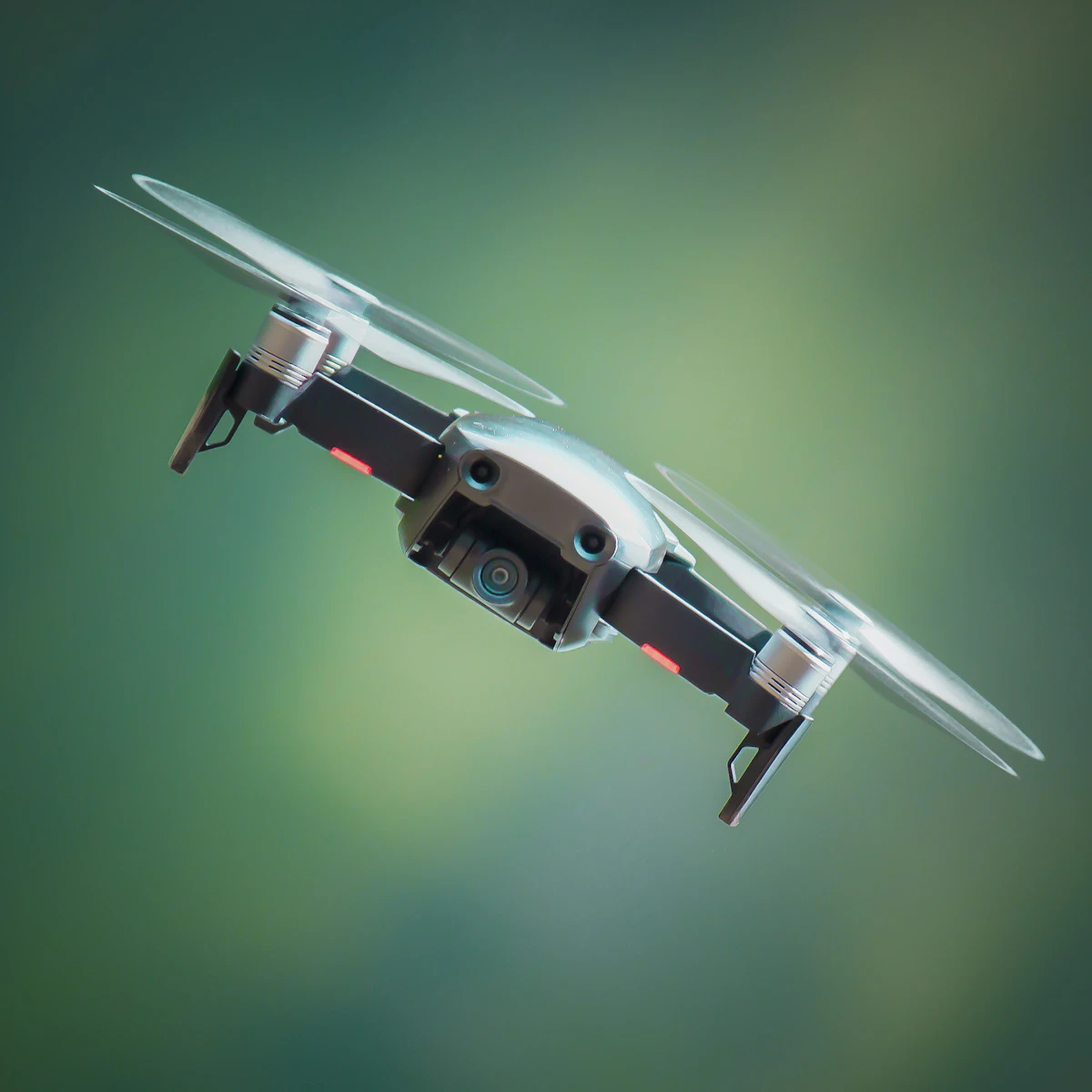
Don't let freezing temperatures ground your flight. Learn how to protect your drone battery, sensors, and hardware with these essential cold-weather tips.
Flying in winter presents unique challenges that can permanently damage your aircraft. From lithium-polymer battery chemistry to iced-up sensors, the cold requires a methodical approach to pre-flight and in-flight operations. ## The Chemistry of Cold: Battery Management The most critical component of your drone is the LiPo battery. At temperatures below 50°F (10°C), the internal resistance of the battery increases, significantly reducing flight time and voltage stability. If a battery is left in a cold vehicle, it may trigger a 'critical battery' error mid-flight, leading to an automatic emergency landing in a potentially hazardous area. Best Practices for Battery Care: * Pre-heat your batteries: Keep them in a warm indoor environment or a specialized battery heater until the moment you head to the launch site. * Maintain temperature: Store batteries in an insulated bag or a pocket close to your body heat during transport. * Monitor voltage: Keep an eye on the DJI Fly or Autel Sky app. If you see voltage sag occurring early in the flight, bring the aircraft in immediately. * Avoid rapid discharge: Minimize high-speed maneuvers during the first two minutes of flight to allow the battery to self-warm through internal resistance. ## Protecting Sensors and Optics Modern drones rely on sensitive optical sensors, infrared obstacle avoidance systems, and gimbal motors. Cold, humid air can lead to condensation, which is a major threat to these electronics. When you bring your drone from sub-zero temperatures into a warm vehicle or house, moisture will condense inside the gimbal and sensor housings. This can cause 'ghosting' on your camera or, in worst-case scenarios, short-circuit sensitive internal components. Mitigation Strategy: * Seal your kit: Place your drone in a sealed plastic bag or airtight case before entering a warm building. This allows the equipment to warm up gradually, preventing condensation from forming on internal surfaces. * Check the gimbal: Before takeoff, ensure the gimbal can move freely. If it feels stiff or has ice buildup, do not force the motors. * Clear sensors: Use a soft, lint-free cloth to ensure vision sensors are free of frost or snow crystals before every takeoff. ## Navigating Micro-Climates and Flight Dynamics Winter flying often introduces extreme wind gradients at altitude. You might experience calm conditions at the surface, but face 25-knot gusts just 100 feet up. High-end drones like the DJI Mavic 3 Enterprise or the Autel EVO II series have capable flight controllers, but they are not immune to physics. Actionable Flight Advice: * Know your limits: Every drone manufacturer specifies a maximum service ceiling and wind resistance threshold. Check your manual—do not exceed these, as cold air is denser and can put more strain on motors. * Expect shorter flight times: Calculate a 25% safety buffer for your flight time. If your drone typically flies for 30 minutes, land at the 20-minute mark. * Watch for icing: If flying in conditions with high humidity near freezing, moisture can accumulate on propellers and airframes, increasing weight and altering aerodynamics. If you notice a sudden increase in power consumption, land immediately. ## When to Upgrade or Sell If your current fleet is struggling with temperature fluctuations or you need a model with better weather-sealing, it may be time to transition to a more robust platform. Whether you are looking to upgrade to a drone with an IP-rated housing or sell your older gear to fund a winter-ready setup, Avionic Ledger provides a verified marketplace for pilots to buy and sell drones safely. Keeping your equipment list current ensures you stay in the air regardless of the season. Always remember that the best way to extend your drone's lifespan is through preventative care and knowing when to keep the aircraft in the case when the weather turns truly extreme.
Topics
Related on Avionic Ledger
Put it to work
Get paid to fly
List your services or bid on posted projects — clients come to Avionic Ledger looking for licensed pilots.
See open projects